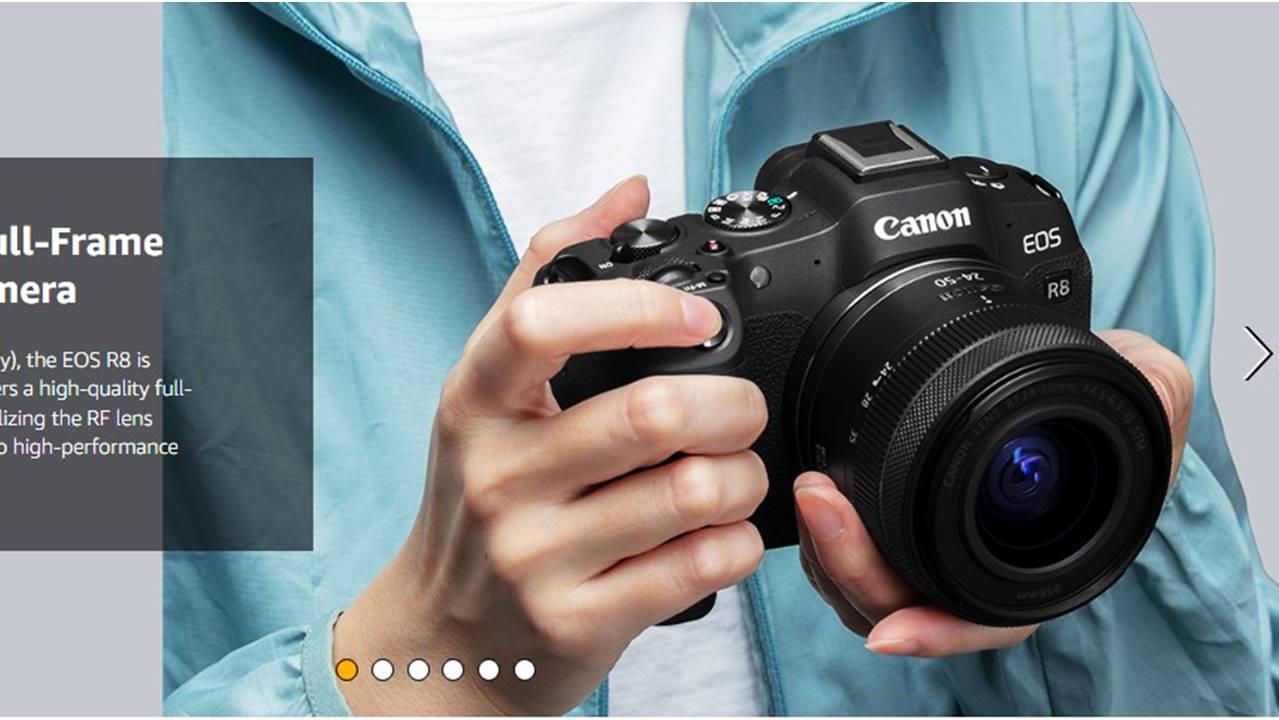
TOP 1. Canon EOS R8 Mirrorless Camera
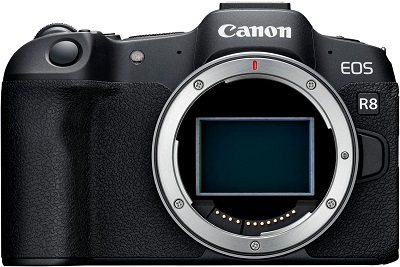
The Canon EOS R8 Mirrorless Camera with RF24-50mm F4.5-6.3 IS STM Lens Kit is a powerful and versatile tool for photographers and content creators alike. This full-frame hybrid camera features a 24.2-megapixel CMOS image sensor that captures detailed, high-resolution images with rich color accuracy. It supports impressive 4K video recording, perfect for vloggers and filmmakers looking for professional quality in a compact design. With Canon’s advanced autofocus system, tracking subjects in real-time is smooth and reliable, making it ideal for capturing fast-moving scenes.
The included RF24-50mm lens offers versatile zoom capabilities for wide-angle to mid-telephoto shots, and its optical image stabilization minimizes camera shake for sharp results, even in low light. Lightweight and easy to handle, the Canon EOS R8 is a great choice for travel, vlogging, and everyday photography.
Specifications:
- Sensor: 24.2MP full-frame CMOS
- Lens Kit: RF24-50mm F4.5-6.3 IS STM
- Video: 4K up to 60fps, Full HD 120fps
- Autofocus: Dual Pixel CMOS AF II with eye and object tracking
- ISO Range: 100-102,400 (expandable)
- Stabilization: In-lens IS with RF lenses
- Connectivity: Wi-Fi, Bluetooth
Pros:
- Excellent 4K video quality in a compact body
- Fast and reliable autofocus
- Versatile RF24-50mm lens with stabilization
- Lightweight and travel-friendly
Cons:
- No in-body image stabilization (IBIS)
- Battery life could be better
TOP 2. Sony a7 Mirrorless Interchangeable Lens Camera
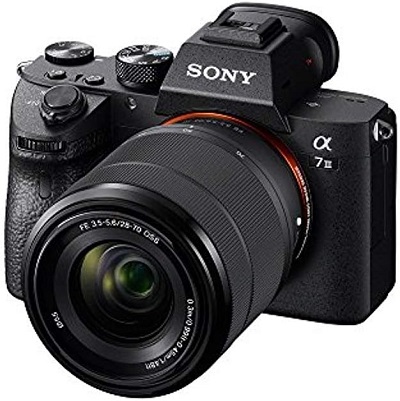
The Sony a7 III (ILCEM3K/B) Full-Frame Mirrorless Camera combines power and versatility, perfect for both enthusiasts and professionals. It features a 24.2-megapixel Exmor R CMOS sensor paired with a BIONZ X image processor for stunning image clarity, excellent low-light performance, and remarkable dynamic range. The fast autofocus system, with 693 phase-detection points covering 93% of the frame, captures subjects quickly and accurately. Paired with the 28-70mm lens, the a7 III adapts to various scenes, from wide landscapes to detailed portraits. It includes 5-axis image stabilization for steady shots and 4K video capability for impressive footage. With a tilting 3-inch LCD and long battery life, it’s an ideal choice for both photography and videography.
Specifications:
- Sensor: 24.2MP Exmor R CMOS
- Lens Kit: 28-70mm
- Video: 4K UHD recording
- Autofocus: 693-point phase-detection AF with 93% frame coverage
- ISO Range: 100-51,200 (expandable)
- Stabilization: 5-axis in-body image stabilization
- Connectivity: Wi-Fi, Bluetooth, NFC
Pros:
- Superb image quality and low-light performance
- High-quality 4K video capabilities
- Long battery life
- Advanced AF with eye-detection
Cons:
- Limited touchscreen functionality
- Menu system can be overwhelming
TOP 3. Panasonic LUMIX Mirrorless Camera
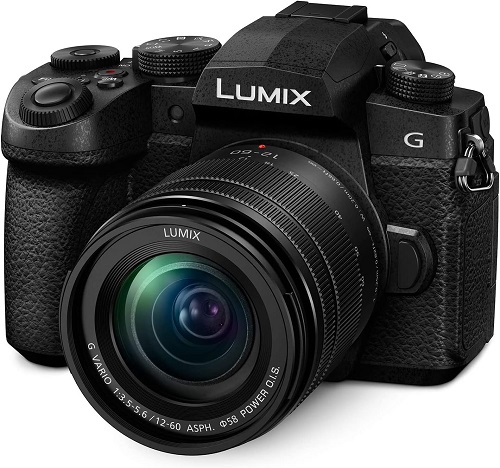
The Panasonic LUMIX G95D Mirrorless Camera is a versatile option for photographers and videographers, featuring a 20.3-megapixel Micro Four Thirds sensor that delivers crisp images and stunning detail. Paired with a 12-60mm f/3.5-5.6 lens, it covers a wide range of shooting scenarios, from landscapes to portraits. Its 5-Axis Dual I.S. 2 stabilization minimizes shake, resulting in smooth, blur-free images and stable 4K video at 24p and 30p. Ideal for content creators, the camera includes a pre-installed V-Log L for enhanced color grading flexibility in post-production. The 3-inch OLED touchscreen makes framing and navigating settings easy. Compact yet powerful, the LUMIX G95D is a great all-around camera for capturing quality content on the go.
Specifications:
- Sensor: 20.3MP Micro Four Thirds
- Lens Kit: 12-60mm f/3.5-5.6
- Video: 4K at 24p/30p
- Autofocus: Contrast-based AF
- Stabilization: 5-Axis Dual I.S. 2 (in-body and lens)
- ISO Range: 200-25,600
- Connectivity: Wi-Fi, Bluetooth
Pros:
- Compact and lightweight with weather sealing
- Excellent in-body and lens stabilization
- V-Log L pre-installed for color grading flexibility
- Great for handheld 4K video recording
Cons:
- Autofocus can be slow in low light
- Smaller sensor compared to full-frame alternatives
TOP 4. Sony Alpha a6400 Mirrorless Camera
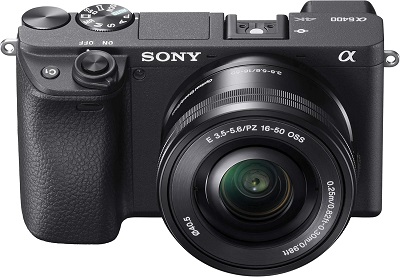
The Sony Alpha a6400 Mirrorless Camera is a compact and powerful APS-C interchangeable lens camera designed for photographers and videographers on the go. Featuring a 24.2-megapixel sensor, it delivers stunning image quality and detail. The standout feature is its Real-Time Eye Autofocus, ensuring precise focusing on subjects’ eyes for flawless portraits and action shots. With 4K video recording capabilities, this camera captures high-resolution footage with rich color and clarity. The 16-50mm lens offers versatility for various shooting scenarios, from wide-angle landscapes to close-up portraits. The flip screen makes it easy to compose shots from different angles, perfect for vlogging and selfies. Lightweight and E-Mount compatible, the a6400 is ideal for creators seeking quality and portability.
Specifications:
- Sensor: 24.2MP APS-C
- Lens Kit: 16-50mm
- Video: 4K UHD with S-Log3 and HLG support
- Autofocus: Real-Time Eye and subject-tracking AF
- ISO Range: 100-32,000 (expandable)
- Connectivity: Wi-Fi, Bluetooth
Pros:
- Real-Time Eye AF and subject tracking for accurate focus
- Flip-up touchscreen for vlogging
- Compact and lightweight, ideal for travel
- Excellent 4K video quality
Cons:
- Lacks in-body stabilization
- Battery life could be longer
TOP 5. OM SYSTEM OM-1 Mark II Mirrorless Camera
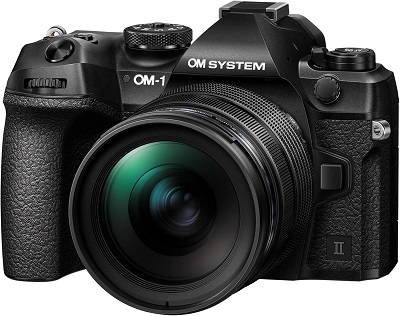
The OM SYSTEM OM-1 Mark II Mirrorless Camera paired with the 12-40mm f/2.8 lens is a robust option for photographers seeking high performance and versatility. With a 20.4-megapixel Live MOS sensor and advanced image processing, it captures stunning, high-resolution images with exceptional detail and dynamic range. The camera features impressive autofocus capabilities, including subject detection and fast tracking, making it ideal for capturing fast-moving subjects. The 12-40mm f/2.8 lens offers a versatile focal range, suitable for everything from landscapes to portraits, with a constant f/2.8 aperture for excellent low-light performance. Compact and lightweight, the OM-1 Mark II is designed for both outdoor adventures and studio work, making it a great choice for photographers looking for a reliable and high-quality system.
Specifications:
- Sensor: 20.4MP Live MOS (Micro Four Thirds)
- Lens Kit: 12-40mm f/2.8
- Video: Cinema 4K recording
- Autofocus: Fast, advanced subject detection and tracking
- Stabilization: In-body 5-axis stabilization
- ISO Range: 200-25,600
- Connectivity: Wi-Fi, Bluetooth
Pros:
- Compact and lightweight, ideal for outdoor photography
- Excellent image stabilization for handheld shots
- Robust build with weather sealing
- Reliable autofocus with subject tracking
Cons:
- Smaller sensor compared to full-frame options
- Complex menu system can be hard to navigate
Buying guide for The Best Mirrorless Camera
Sensor Size
- Full-Frame: Great for low-light performance, depth of field control, and overall image quality. Ideal for professionals and serious hobbyists.
- APS-C: Smaller than full-frame but still delivers excellent quality with more compact lenses, often more budget-friendly.
- Micro Four Thirds (MFT): Even smaller, making it highly portable with a great selection of lenses, though with less light sensitivity than larger sensors.
2. Resolution (Megapixels)
- 20–24MP: Ample for most users and offers a good balance of quality and low-light performance.
- Higher Resolution (30–60MP): Best for detailed landscape photography, commercial work, or cropping flexibility. Keep in mind larger files require more storage and processing power.
3. Autofocus System
- Fast and Accurate AF: Look for phase-detection AF and face/eye-detection autofocus, which are standard in many new mirrorless cameras.
- Hybrid AF (Phase + Contrast Detection): Offers better accuracy and speed, especially for video and moving subjects.
4. Video Capabilities
- 4K Resolution: Common in many mirrorless cameras, great for high-quality video.
- 6K/8K and High Frame Rate Options (e.g., 120fps): Useful for professional videographers and slow-motion video.
- Stabilization: Look for In-Body Image Stabilization (IBIS) to reduce shake in handheld shots, especially important for video.
5. Lens Options and Ecosystem
- Native Lenses: Check the range of lenses available within the brand’s ecosystem (e.g., Sony, Canon, Fujifilm, Panasonic).
- Adaptability: Many mirrorless cameras can use adapters to mount DSLR lenses, adding versatility if you have an existing lens collection.
6. Size and Ergonomics
- Compact and Lightweight: One of the main benefits of mirrorless is portability. Choose a size that feels comfortable for your style of shooting.
- Grip and Button Layout: Ensure the camera feels comfortable to hold, especially if you’ll be using it for long periods.
7. Battery Life
- Battery Capacity: Mirrorless cameras typically have shorter battery life than DSLRs due to electronic viewfinders and continuous autofocus. Look for cameras with at least 300-500 shots per charge.
- USB-C Charging: This allows for easy charging on the go with a power bank, helpful for travel or long shoots.
8. Electronic Viewfinder (EVF) and LCD Display
- Resolution and Refresh Rate: Higher-quality EVFs provide a more lifelike view, making it easier to preview shots.
- Tilting or Fully Articulating Screen: Great for creative angles and vlogging. Articulating screens are especially useful for video creators.
9. Weather Sealing and Durability
- Weather-Sealed Body: Essential for shooting in outdoor conditions like rain or dust. Typically found in mid-range to high-end models.
Mirrorless Camera FAQ
1. What is a mirrorless camera?
A mirrorless camera is a digital camera that lacks a mirror and optical viewfinder, unlike traditional DSLR cameras. Instead, it uses an electronic viewfinder (EVF) or the LCD screen to display the image, making the camera more compact while still offering high image quality.
2. What are the advantages of mirrorless cameras over DSLRs?
- Size and Weight: Generally smaller and lighter due to the absence of a mirror and pentaprism.
- Faster Autofocus: Many mirrorless cameras offer fast, precise autofocus systems, especially for video.
- Live Exposure Preview: With an EVF, you see the exact exposure and white balance before taking the shot.
- Silent Shooting: Mirrorless cameras can often shoot silently by using an electronic shutter.
- Video Capabilities: Typically excel in video quality with advanced autofocus and stabilization options.
3. What should I look for in a mirrorless camera?
- Sensor Size: Full-frame sensors offer superior low-light performance and depth of field, while APS-C and Micro Four Thirds are more compact and often more affordable.
- Megapixels: Higher megapixels mean more detail, but the best resolution depends on your intended use.
- Autofocus System: Fast, accurate autofocus is critical, especially for sports, wildlife, and video.
- Video Capabilities: Look for 4K or higher resolution and additional features like frame rate options, image stabilization, and log profiles if you’re serious about video.
- Image Stabilization: In-body image stabilization (IBIS) can help achieve sharper images and smoother videos, especially in low-light conditions or when shooting handheld.
4. What are the popular sensor sizes in mirrorless cameras?
- Full-Frame (35mm): Great for professional photography with excellent low-light performance and depth of field control.
- APS-C: Slightly smaller than full-frame, offering a balance between image quality and portability, and often more affordable.
- Micro Four Thirds (MFT): Compact and lightweight, with a 2x crop factor, making it great for travel and video.
5. Are mirrorless cameras good for video?
Yes, mirrorless cameras are widely popular for video due to features like 4K/8K video support, fast autofocus, high frame rates, and compact size. Many models also have headphone and microphone ports, flip-out screens, and image stabilization, making them versatile for vlogging and filmmaking.
6. How is battery life on mirrorless cameras compared to DSLRs?
Mirrorless cameras typically have shorter battery life because they rely on electronic viewfinders or LCD screens, which use more power. However, battery life is improving, and carrying spare batteries can easily address this.
7. What is an electronic viewfinder (EVF), and how does it compare to an optical viewfinder (OVF)?
An EVF is a small digital screen that shows what the camera’s sensor sees, allowing you to preview exposure, white balance, and focus in real time. This is different from an OVF, which uses a mirror to reflect the scene directly to your eye. EVFs provide more information but can drain the battery faster.
8. What lenses can I use with a mirrorless camera?
Mirrorless cameras have their own dedicated lens mounts, but most brands offer lens adapters that allow you to use DSLR lenses. Popular mounts include:
- Sony E-mount for Sony mirrorless cameras
- Canon RF-mount for Canon mirrorless cameras
- Nikon Z-mount for Nikon mirrorless cameras
- Micro Four Thirds for Panasonic and Olympus mirrorless cameras Adapters can extend your lens options but may affect autofocus speed and stabilization.
9. What brands are popular for mirrorless cameras?
- Sony: Known for innovative technology and excellent sensors, especially popular among videographers.
- Canon: Offers versatile mirrorless cameras with high-quality lenses and good color science.
- Nikon: Known for exceptional image quality and ergonomic design.
- Fujifilm: Popular for vintage styling and unique color profiles, often preferred by street and portrait photographers.
- Panasonic: Offers great video features, especially in the Micro Four Thirds line.